
Here’s a clear comparison of wind chime materials and their sound qualities:
🌿 Bamboo and Wood
🔔 Metal (Aluminum, Brass, Steel, Copper)
🌸 Glass
🪨 Ceramic or Clay
🐚 Shell (Capiz, Seashells, etc.)
✅ Quick summary:
🔔 Metal (Aluminum, Brass, Steel, Copper)
🌸 Glass
🪨 Ceramic or Clay
🐚 Shell (Capiz, Seashells, etc.)
✅ Quick summary:

Tuned Chimes (Pitched Chimes)
Definition: Tuned chimes are designed to produce specific musical notes, aligning with a particular scale (like a pentatonic scale, major scale, or chromatic scale). Each chime tube is carefully cut to a precise length to achieve a desired pitch.
Musical Function:
They can be used to play melodies or harmonies, similar to a xylophone, glockenspiel, or tubular bells (which are a type of tuned chime).
They are often used in orchestral music, for sound effects that require specific notes (e.g., mimicking church bells), or in ensembles where their pitches need to integrate with other instruments.
Wind chimes can also be tuned, with their lengths calculated to produce harmonious notes when struck by the wind.
How they are made: The key to making tuned chimes is precise measurement and cutting of the material (often metal tubes). Shorter tubes produce higher pitches, and longer tubes produce lower pitches. Makers use specific calculations or even trial-and-error with a tuner to ensure each chime produces the correct note. The material, thickness, and even the hanging point can affect the pitch.
Examples: Orchestral tubular bells, some high-quality wind chimes designed to play a specific melody or chord.
Musical Function:
They are primarily used for rhythmic effects, accents, or to add texture and color to music.
Their sounds are generally unrelated to the melody and harmony of the music, though they can contribute to the overall sonic landscape.
Many common decorative wind chimes fall into this category, producing a pleasing jingle without adhering to a specific musical key.
How they are made: The manufacturing of untuned chimes is generally less precise regarding specific pitches. While the length of the tubes will still affect the sound, the focus isn't on achieving exact musical notes. They might be made from various materials like metal, bamboo, or even glass, and the primary goal is often to create a pleasant, resonant sound rather than a musically specific one. Sometimes, "untuned" simply means the time-consuming process of precise tuning has not been undertaken.
Examples: Most wind chimes you might buy for decoration, many types of "bell" percussion instruments used for sound effects where specific pitch isn't crucial.
In summary:
The core difference is whether the chimes are intended to produce specific, identifiable musical notes (tuned) or indeterminate pitches used for rhythmic and textural purposes (untuned). Tuned chimes are instruments capable of playing melodies, while untuned chimes are more focused on creating percussive sounds and atmosphere.

🧭 1. Placement by Direction
Each direction in feng shui is tied to an element, life aspect, and wind chime material
🔢 2. Number of Rods and Symbolism
Rods and Feng Shui Meaning:
📍 3. Common Feng Shui Uses
🕊️ 4. Design Details Matter
⚠️ 5. What to Avoid

🔊 1. Sound Generation
🧱 2. Material Matters
Different materials resonate differently:
📏 3. Tube Length and Diameter
🌀 4. Tuning and Harmonics
🌬️ 5. Wind Interaction
🎧 6. Perception of Sound
📐 7. Design Considerations


In Japan and China, temples would hang bronze wind chimes to ward off evil and encourage peace. These chimes were often hung in specific areas to clear energy blockages, while the materials used, such as metal or bamboo, symbolized different elements believed to harmonize with natural forces.


Here are some key benefits:
1. **Stress Relief**: The gentle sound of wind chimes creates a soothing auditory backdrop that can help reduce stress levels. The calming tones promote relaxation, allowing individuals to unwind and escape from the pressures of daily life.
2. **Mindfulness and Presence**: Listening to wind chimes encourages mindfulness, as it draws attention to the present moment. This practice can help individuals center their thoughts, reduce anxiety, and foster a sense of calm.
3. **Enhanced Creativity**: The pleasant sounds of wind chimes can stimulate creative thinking. By providing a serene environment, they can help clear mental clutter, making space for new ideas and inspiration.
4. **Improved Mood**: The melodic tones produced by wind chimes can uplift spirits and enhance overall mood. Positive auditory experiences are linked to increased feelings of happiness and contentment.
5. **Connection to Nature**: Wind chimes often evoke a connection to the natural world, promoting a sense of harmony and balance. This connection can enhance emotional well-being by reminding individuals of the beauty and tranquility found in nature.
6. **Positive Energy Flow**: In various cultures, wind chimes are believed to attract positive energy and dispel negativity. Their presence in a space can create an inviting atmosphere that fosters positivity and peace.
In summary, incorporating wind chimes into your environment can serve as a simple yet effective way to enhance mental and emotional health. The soothing sounds they produce contribute to stress relief, improved mood, and a greater sense of well-being.

Designing a soothing outdoor oasis can transform your backyard into a tranquil retreat, and incorporating melodic wind chimes is an excellent way to enhance the ambiance.
Here are some key elements to consider when creating your peaceful space:
1. **Choosing the Right Location**: Select an area in your yard that is sheltered from strong winds but still allows for gentle breezes. This will ensure that your wind chimes produce soothing sounds without becoming overly noisy.
2. **Selecting Wind Chimes**: Choose wind chimes made from materials that produce harmonious tones, such as bamboo, metal, or glass. Consider the size and shape of the chimes, as these factors significantly influence their sound. Larger chimes typically produce deeper tones, while smaller ones create higher-pitched sounds.
3. **Incorporating Natural Elements**: Surround your wind chimes with natural features such as flowering plants, shrubs, or trees. This not only enhances their aesthetics but also creates a more serene environment. Plants like lavender or jasmine can add pleasing scents to the mix.
4. **Creating Comfortable Seating**: Add comfortable seating options like hammocks, lounge chairs, or benches where you can relax and enjoy the sounds of the chimes. Positioning seating near the chimes will allow you to fully appreciate their melodic effects.
5. **Adding Water Features**: Water elements like fountains or small ponds can amplify the calming atmosphere. The gentle sound of flowing water combined with the soft music of wind chimes creates an ideal setting for relaxation.
6. **Integrating Lighting**: Consider adding soft lighting options such as string lights or solar lanterns to enhance your outdoor oasis during the evening hours. The interplay of light and sound will create a magical ambiance.
7. **Integrating Lighting**: Finally, incorporate personal touches such as decorative stones, garden sculptures, or unique planters that reflect your style and make the space feel uniquely yours.
By thoughtfully integrating melodic wind chimes into your outdoor design, you can create a soothing oasis that promotes relaxation and peace, allowing you to escape from the hustle and bustle of everyday life.

2. Visual Deterrent:

By strategically placing wind chimes around your property, you can create a more secure and welcoming home. Remember, while wind chimes are not a foolproof security system, they can be an effective tool when combined with other security measures.

1. Deterring Small Mammals Animals like rabbits, squirrels, and even deer often avoid areas with sudden or unexpected sounds. The gentle, irregular sounds of wind chimes can keep these critters at a distance, helping to protect your vegetables and young plants.
2. Scaring Off Birds Birds such as sparrows, crows, and pigeons can damage fruit and vegetable plants by pecking at produce or uprooting young sprouts. Wind chimes create noise and movement that birds find unsettling, discouraging them from perching nearby.

4. Low-Maintenance and Eco-Friendly Wind chimes provide continuous pest control without any harmful chemicals, making them safe for the environment, children, pets, and pollinators like bees and butterflies.
5. Complementing Other Pest-Control Methods When combined with strategies like companion planting or netting, wind chimes can be a valuable part of a holistic approach to garden protection.
For the best results, position chimes near vulnerable plants or in areas where you notice critter activity. Their effectiveness can vary, but they are a peaceful and charming deterrent worth trying.
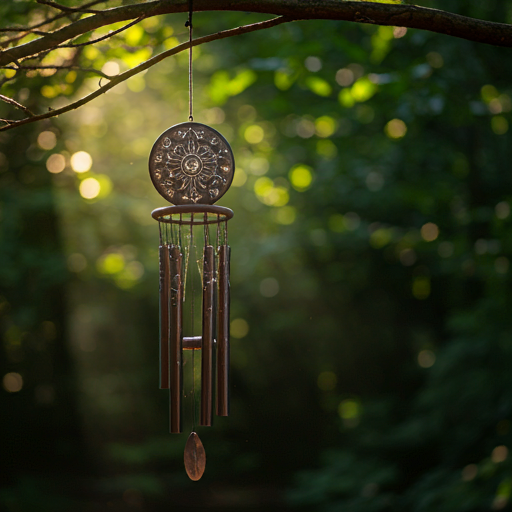


In conclusion, wind chimes have played a significant role in various spiritual and religious practices for centuries. Their melodious sounds and symbolic significance have made them a popular and enduring tradition.


While the specific origins of wind chimes may vary across different cultures, it is clear that they have been a part of human history for thousands of years. Their enduring popularity and cultural significance attest to their timeless appeal.


By understanding these aspects, one can appreciate the beauty, functionality, and cultural significance of windmill wind chimes, making them a cherished addition to any outdoor space.

Here are some interesting facts about furin wind chimes:
Origin: Furin wind chimes have their roots in China, where they were initially crafted from metal. They were introduced to Japan during the Edo period (1603-1868) and gained popularity as decorative items.
Materials: Traditional furin wind chimes are made from glass or metal, although modern versions can also be found in materials like ceramic or bamboo. The glass ones often feature colorful designs, while metal ones may have intricate patterns or engravings.

Design: Furin wind chimes come in various shapes and sizes, but they commonly feature a cylindrical or spherical body with a clapper inside. They are adorned with decorative elements such as motifs of flowers, animals, geometric patterns, or Japanese characters.
Sound: Each furin wind chime produces a unique, melodic sound when the breeze causes the clapper inside to strike against the body. The sound is gentle and soothing, often associated with the arrival of summer and a sense of calmness. Symbolism: In Japanese culture, furin wind chimes symbolize the coming of summer and are believed to ward off evil spirits. They are also associated with good luck, prosperity, and protection.

Seasonal Use: Furin wind chimes are commonly hung outside windows or in gardens during the warmer months, especially in the summer season, to catch the breeze and create a refreshing atmosphere.
Variety: Over the years, furin wind chimes have evolved, and various styles have emerged to cater to different tastes and preferences. Some are designed to produce louder sounds, while others focus on aesthetic appeal.

Cultural Significance: Furin wind chimes hold cultural significance in Japan and are often featured in traditional festivals and ceremonies. They are also popular decorative items in homes, restaurants, and temples, adding a touch of elegance and charm to the surroundings.

Here are some facts about chime candles:
Size and Shape: Chime candles are typically small and slender, usually measuring around 4 inches in height and 1/2 inch in diameter. They often have a taper shape, allowing them to easily fit into candle holders or stand upright on their own.
Material: Chime candles are commonly made from paraffin wax, although some may be made from beeswax or soy wax for those who prefer natural materials. Paraffin wax is popular due to its affordability and ease of use.
Burn Time: Due to their small size, chime candles have a relatively short burn time compared to larger candles. On average, they burn for approximately 1-2 hours, depending on factors such as wick size and environmental conditions.
Color Symbolism: Chime candles come in a variety of colors, with each color often associated with different intentions or purposes in spiritual or magical practices. For example, white symbolizes purity and protection, red represents passion and courage, green signifies abundance and prosperity, and blue is associated with peace and communication.
Versatility: Chime candles are versatile and can be used for various purposes, including meditation, prayer, ritual ceremonies, spellwork, and spiritual healing. They are often incorporated into religious practices, such as Wicca, Paganism, and certain forms of Christianity.

Accessibility: Chime candles are widely available and can be purchased from many metaphysical shops, online retailers, and specialty candle stores. They are relatively inexpensive, making them accessible to people of diverse backgrounds and spiritual beliefs.
Safety Precautions: Like all candles, chime candles should be used with caution. It's essential to place them on a heat-resistant surface, away from flammable objects, and never leave them unattended while burning. Additionally, it's crucial to trim the wick to prevent excessive smoking and ensure a clean, even burn.
Candle Magic: Chime candles are often used in candle magic, a form of sympathetic magic where candles are used as a tool to focus intention and energy towards a specific goal or desire. Practitioners may anoint the candle with oils, inscribe symbols or words onto the wax, or incorporate other ritualistic elements to enhance their magical workings.

Here's a breakdown to get you started:


Remember, these are just general guidelines, and you can customize your wind chime design to reflect your creativity and preferences. Happy crafting!


Visual Appeal:
Vivid Colors: Hummingbird wind chimes often feature bright, eye-catching colors that resemble the plumage of hummingbirds. These colors can add a pop of cheer to any outdoor setting.
Charming Designs: The wind chimes themselves can take the shape of hummingbirds, with intricate details that capture the essence of these fascinating creatures.
Solar-powered Options: Some hummingbird wind chimes incorporate solar-powered lights, creating a magical display as they softly glow in the evening.

Soothing Sounds:
Wind-activated Chimes: Most hummingbird wind chimes feature metal or glass chimes that tinkle in the breeze. The sound can be quite calming and relaxing, creating a peaceful ambiance in your outdoor space.
Variety of Tones: The chimes come in different sizes and materials, producing a range of tones, from high-pitched tinkles to deeper, more resonant notes.

Material Options:
Metal: Metal hummingbird wind chimes are often quite durable and weather-resistant. They can be painted in a variety of colors and may feature intricate details.
Glass: Glass hummingbird wind chimes offer a beautiful and elegant look. The chimes can be made of stained glass, which creates colorful reflections when struck by sunlight.
Solar-powered: These chimes have a solar panel that collects energy during the day to light up small LEDs at night, adding another dimension to their appeal.

Attracting Hummingbirds (Maybe):
While some believe the bright colors and tinkling sounds might attract hummingbirds, there is no scientific evidence to support this. Hummingbirds are primarily attracted to brightly colored flowers that provide nectar.

Overall, hummingbird wind chimes are a lovely way to add a touch of beauty and whimsy to your outdoor space. They come in a variety of styles and materials, so you can find one that perfectly complements your taste.

Here's an overview of what you might want to know about silverware wind chimes:
Materials: As the name suggests, these wind chimes are made from old silverware such as spoons, forks, and sometimes knives. Often, the silverware is bent, twisted, or flattened to create interesting shapes and designs.
Sound Quality: The sound produced by silverware wind chimes is distinct and can vary based on the type of silverware used. They generally produce a clear, metallic clink or chime, which can be quite pleasant and soothing.
Aesthetic Appeal: These wind chimes have a quirky, vintage charm. They can be polished to a high shine or left with their original patina for a more rustic look. Some makers add additional decorative elements like beads, crystals, or colored glass to enhance their appearance.
DIY Popularity: Making silverware wind chimes is a popular DIY project. It's a great way to recycle old silverware and create something beautiful and functional. The process often involves drilling holes in the silverware for hanging and sometimes shaping or stamping the pieces for added flair.
Design Variations: There's a lot of room for creativity in designing silverware wind chimes. Some people use a single pattern of silverware for a uniform look, while others mix and match for an eclectic style. The arrangement of the pieces can also vary, from simple, straight lines to more elaborate, spiraling designs.
Size and Placement: These wind chimes can be made in various sizes, depending on the number and size of the silverware pieces used. They are perfect for hanging in gardens, on porches, or even indoors near windows where they can catch a breeze.
Durability: Silverware is typically made from durable materials like stainless steel or silver, making these wind chimes quite robust and suitable for outdoor conditions. However, they may require occasional cleaning to maintain their shine and prevent rust, especially if made from non-stainless steel.
Symbolic and Sentimental Value: For some, using family heirloom silverware that's no longer in regular use can give the wind chime sentimental value, making it a cherished piece.

Therapeutic Effects: The gentle clinking of silverware can be quite soothing, making these wind chimes a lovely addition to any space where relaxation is desired.
Gift Option: Silverware wind chimes make thoughtful and unique gifts, especially if they are handmade or customized.
Silverware wind chimes are not just aesthetically pleasing but also resonate with the values of sustainability and creativity. They add a unique touch to any garden or outdoor space, combining the old-world charm of silverware with the timeless delight of wind chimes.
